



Cellulite on the thighs
Content
Description
Cellulite is lumpy and bumpy skin.
It is caused by insufficient lymphatic drainage of fat cells in the subcutaneous tissue, while this impaired metabolism causes an uneven increase in fat cells in the form of lumps.
Cellilite is shown by thickening of the skin and subcutaneous tissue in the thighs, hips, abdomen, buttocks and shoulders. This thickening is also known as orange peel.
Cellulite has several causes: genetics, hormonal factors - estrogen (contraceptive use), age, lifestyle (smoking) and lack of exercise. It is much more common in women because of the characteristic distribution of fat cells and the properties of the subcutaneous tissue.

Facts
- No anesthesia
- Outpatient procedure
- Procedure lasts up to 1 hour
- Recovery in a day
Cellulite is most easily diagnosed by the so-called pinch test - squeeze the skin with both hands so that it wrinkles. In the case of cellulite, typical bumps, dimples and grooves appear under the skin.
Following stages are recognized:
- Stage 1 - cellulite visible only during examination
- Stage 2 - cellulite is visible under pressure (sitting, stretching muscles)
- Stage 3 - clearly visible cellulite even when standing, lying down and at rest
- Stage 4 - cellulitis with complications (degeneration of ligaments, soreness)
- First of all, you should focus on health and diet: enough exercise, a balanced diet with a reduction of carbohydrates (more protein and fibre), there are a number of special cosmetic ointments and creams on the market with an anti-cellulite effect.
Cellulite has several stages and therefore there are several types of treatments that can be effective:
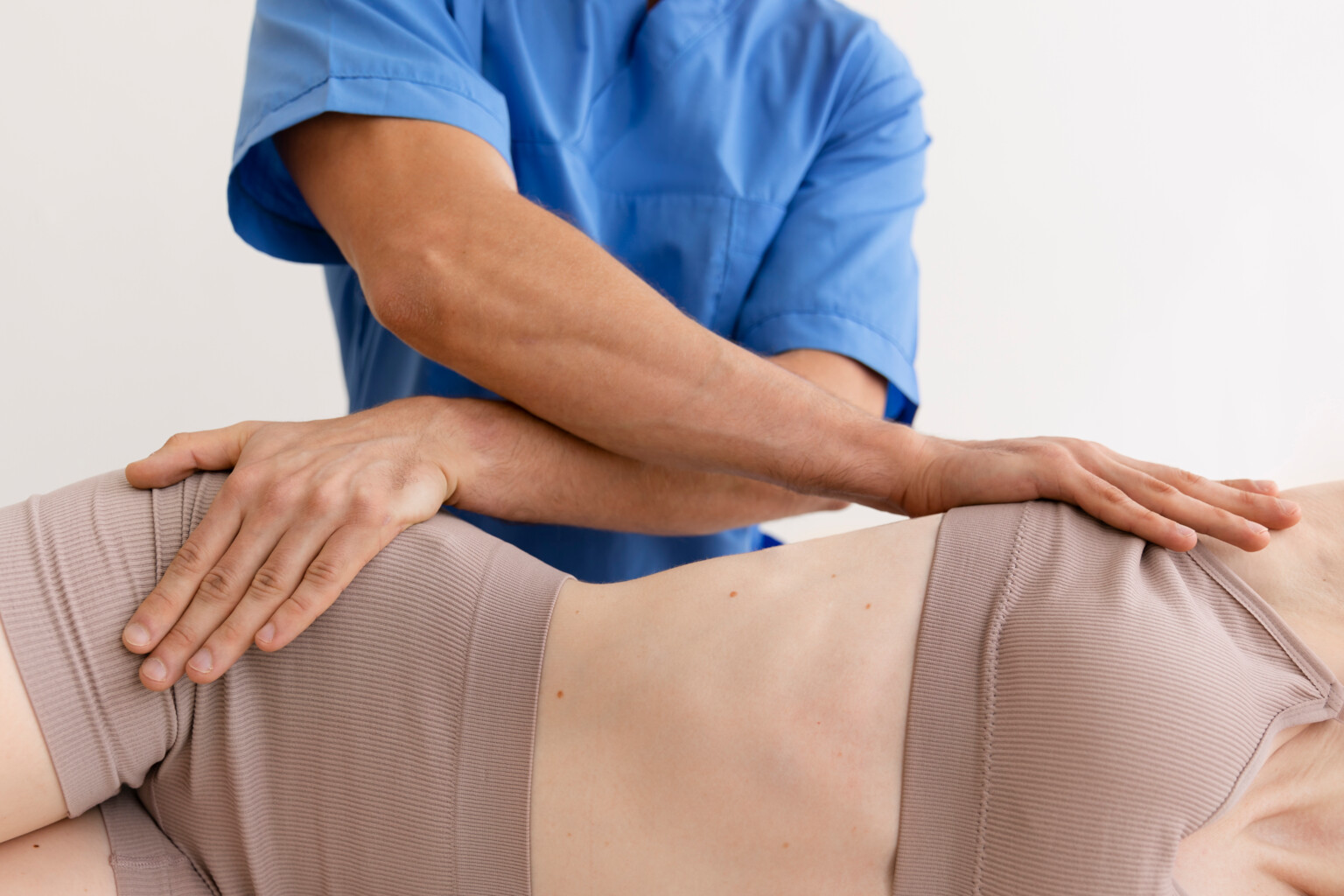
- Massages and lymphatic drainage - massage (a special type of massage called madotherapy (or endermology) using wooden rollers) and manual or machine lymphatic drainage improve lymph drainage, purify the tissue and thus improve the symptoms of cellulite.
- Radiofrequency lipolysis - devices with high-frequency waves heat fat, improve blood circulation and tighten and firm the skin.
- Shockwave therapy (acoustic wave therapy) - a combination of acoustic and electric pulses generated by the device disrupts fat tissue and supports the activity of lymphatic vessels. Collagen formation and skin elasticity are supported. Sometimes reffered as ESWT (extracorporeal shock wave therapy).
- Cavitation - a non-invasive type of liposuction using ultrasound.
- Carboxytherapy - treatment with carbon dioxide (CO2).
- Vacuum banking - use of negative pressure to improve microcirculation and support lymph flow.
- Mesotherapy - application of a nutritious mixture using needles directly into the skin.
- Injection lipolysis – application of enzymatic substances that dissolve fat.
- Laser therapy - the application of a special type of laser (Cellulaze) acts on fat cells.