
















Vascular Medicine (Angiology)
Content
Description
Vascular Medicine (Angiology) is a specialized branch of internal medicine that focuses on the prevention, diagnosis and treatment of vascular diseases (arteries, veins, lymphatic vessels).
Patients with circulatory disorders of the extremities, venous thrombosis, varicose veins, as well as swelling of legs and arms (lymphatic edema) are often referred to Vascular physician (angiologist).
Vascular Physician (angiologist) often cooperate with vascular surgeons.
Facts
- Outpatient examination
- Examination lasts 30 minutes
In the human body, we distinguish between blood vessels (arteries, veins and capillaries) and lymphatic vessels. Arteries carry blood away from the heart, while veins return blood to the heart. Blood brings oxygen and nutrients to the organs.
However, some of the fluid from the blood remains in the tissues - this is then drained by lymphatic vessels into large veins. Lymph nodes are located along the lymphatic vessels, which are part of the immune system.
The most common diseases in the field of vascular medicine include:
- Inflammation of the veins (phlebitis) and thrombophlebitis (inflammation associated with a blood clot)
- Peripheral artery disease (PAD) of lower extremity
- Atherosclerosis and narrowing of the vessels (stenosis)
- Vein thrombosis and thromboembolic disease
- Varicose veins of the lower extremities (varicose veins)
- Lymphedema
- Patients after vascular surgery (PTA - percutaneous transluminal angioplasty, aneurysm, stent)
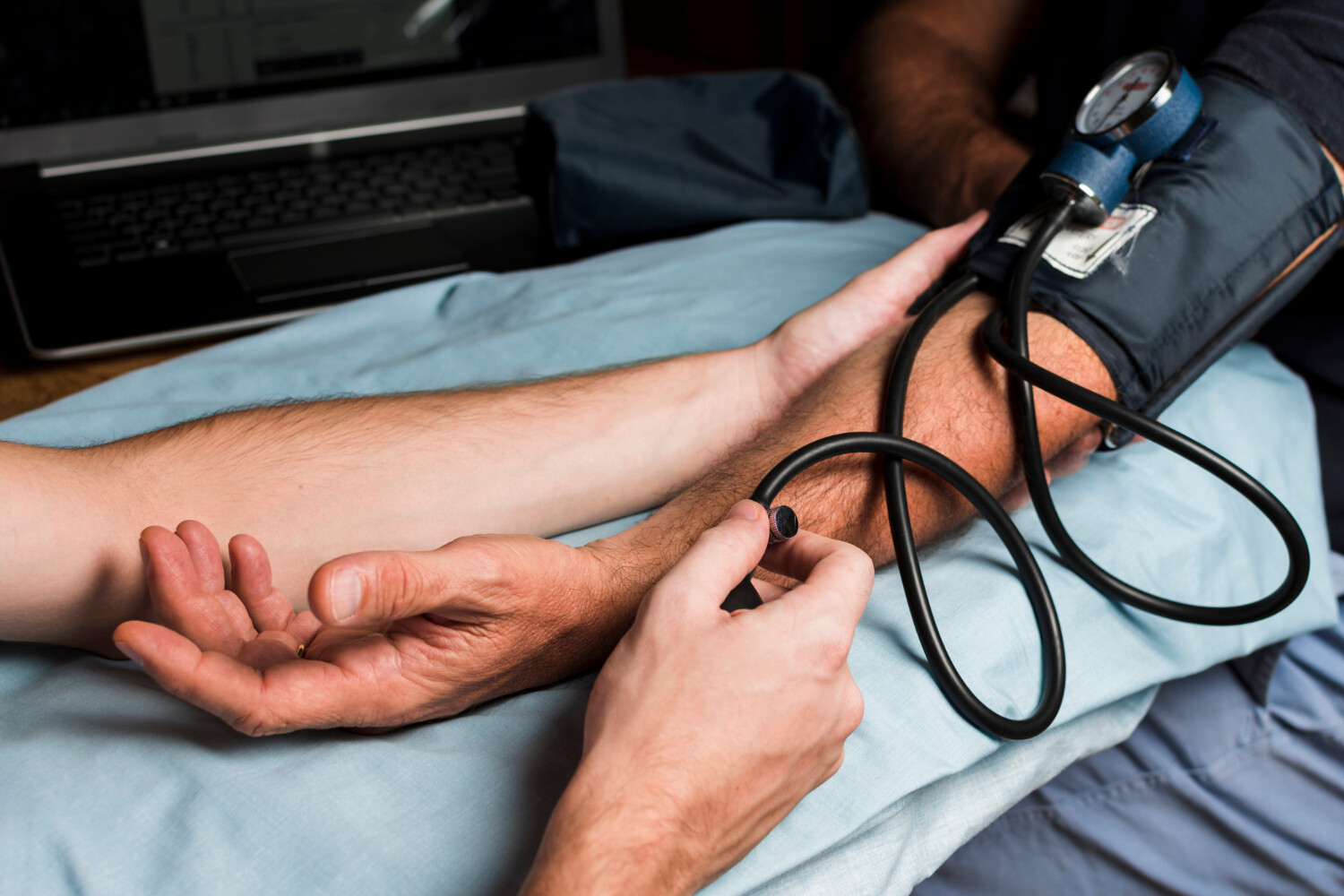
The Vascular Physician (angiologist) asks the patient about diseases, medications, hospital stays and checks the blood flow in the limbs through an examination, measures blood pressure and pulse. He takes blood and urine for laboratory examination.
A comprehensive angiological examination includes:
- USG - ultrasound of the arteries and veins of the upper and lower extremities, abdominal aorta and carotid arteries
- Doppler imaging of blood flow and determination of the severity of vascular ischemia
- Long-term treatment of patients who must take blood-thinning medications (anticoagulants) - after heart attacks, vascular stents, after deep vein thrombosis
- Prescribes compression therapy (compression stockings) and lymphatic drainage for swelling
- Medical treatment of veins (venopharmaceuticals) and atherosclerosis
- Sclerotherapy - an outpatient procedure for the treatment of small varicose veins (stripes) using a sclerosing solution. Larger varicose veins are operated on by a vascular surgeon.