













Orthopedic examination
Content
Description
Orthopedics deals with the prevention and treatment of diseases of the musculoskeletal system (muscles, joints, tendons, ligaments and bones).
The most common problems for which patients seek orthopedists include pain in the limbs, joints and back (spine), mobility impairment (limitation of range of motion, inability to perform certain movements) and nerve damage.

Facts
- Painless examination
- Outpatient examination
- Examination lasts 30 minutes
- No restrictions after examination
The orthopedist in the clinic:
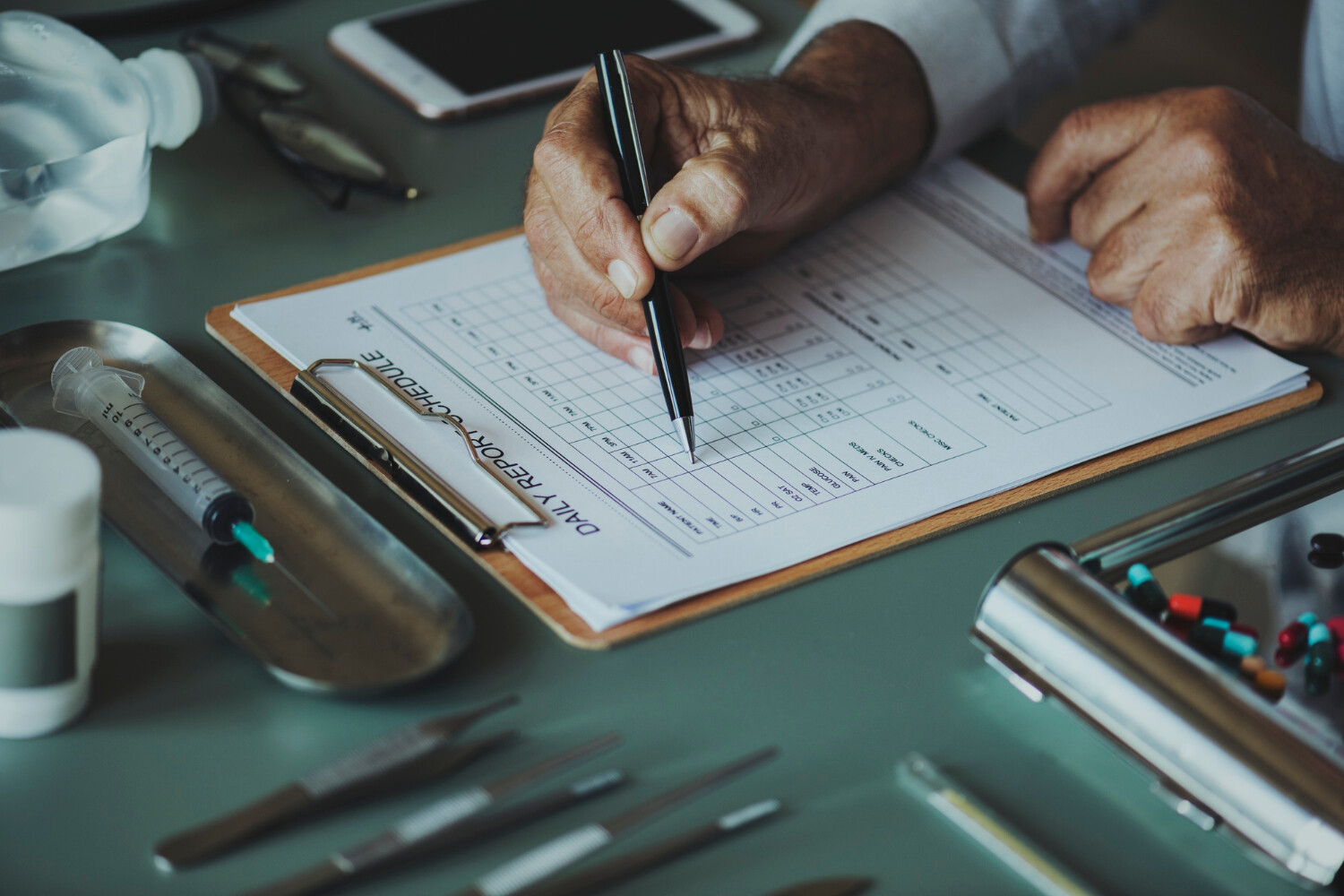
- Thoroughly questions the patient about the symptoms of the disease (asks the medical history review).
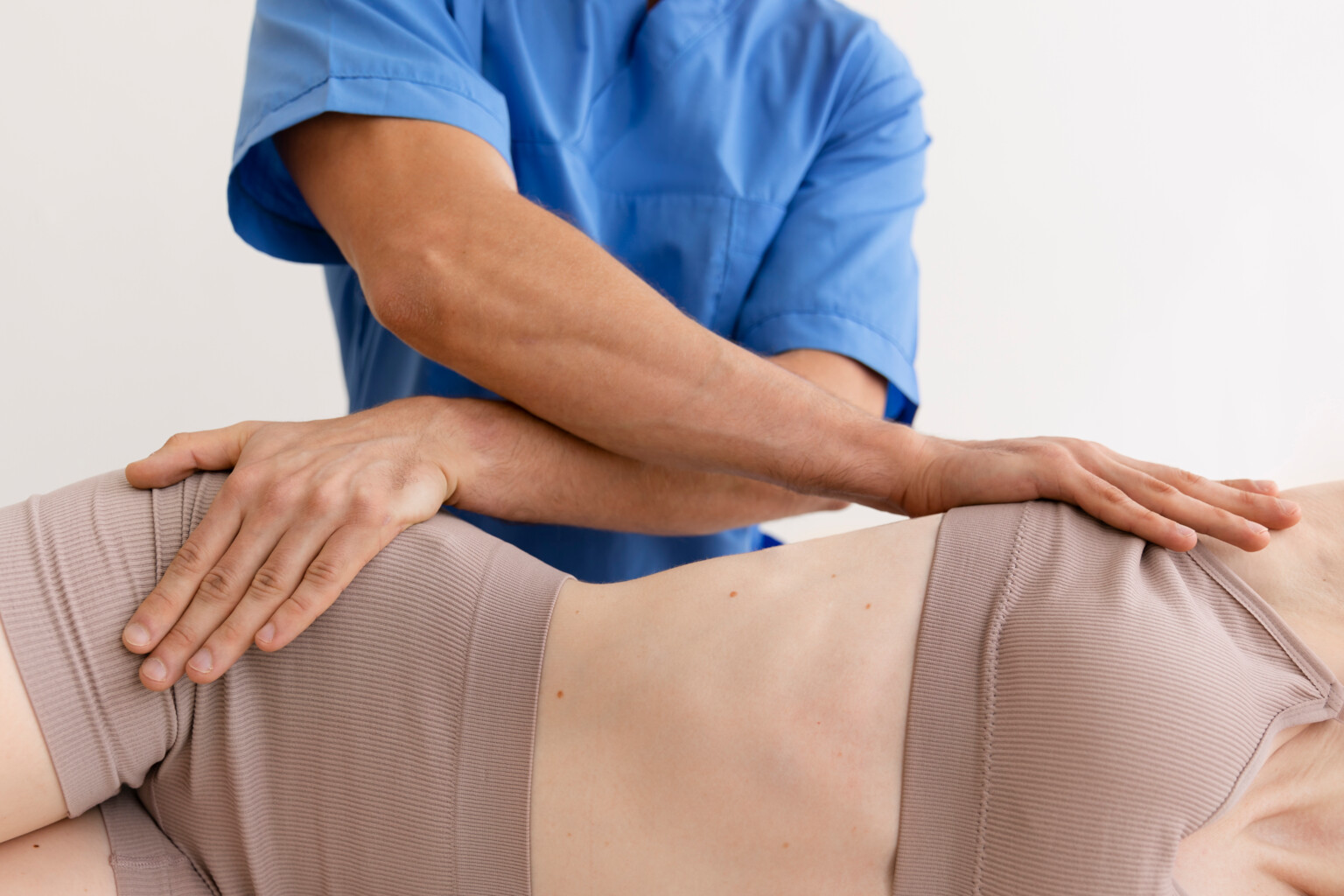
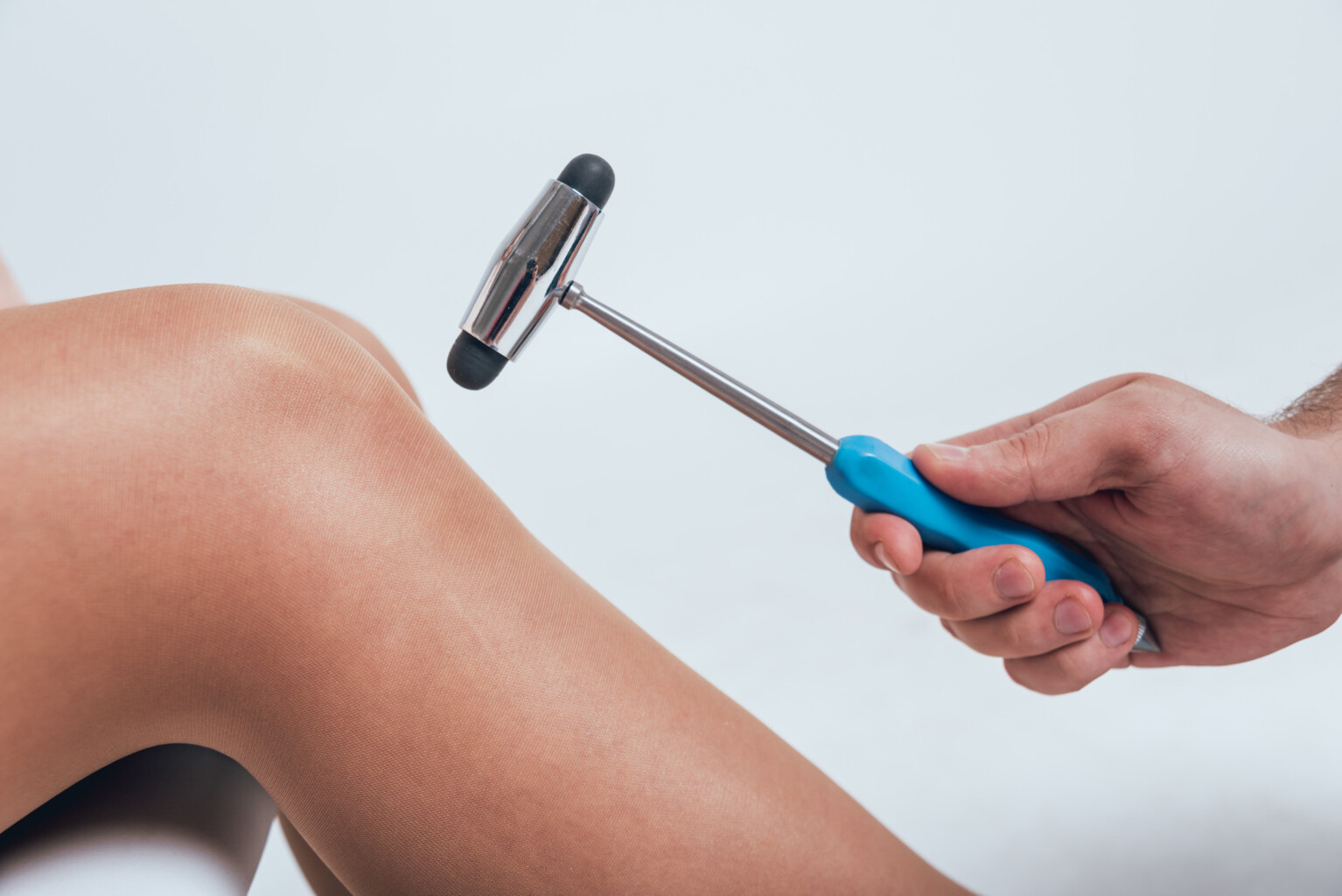
- Examines the patient (physical examination) - by inspection, palpation, examination of the mobility in joints (range of motion - ROM), performs tests of muscle strength, stability and provides basic neurological examination.
- There are also special examination tests used in the orthopedics to reveal injuries and diseases.
- Diagnostic imaging - is currently an important part of diagnostics. In addition to classic X-rays, CT Scan (computed tomography) is used to examine bones, MRI (magnetic resonance imaging) and USG (sonography - ultrasound) to examine soft tissues.
- Laboratory tests - samples for blood tests and from joints (aspiration of fluid in joints) or muscles (muscle biopsie) is taken to reveal infection, gout and other diseases.
- Direct imaging of the joint cavities is possible with diagnostic arthroscopy.
To make your examination as efficient as possible, bring the following documents with you to the clinic:
- Medical reports related to your problem
- A list of medications you regularly take and a list of allergies
- Reports from X-ray, CT Scan, MRI examinations as well as image documentation (CD, USB with images)
Diagnosis of the disease is followed by treatment.
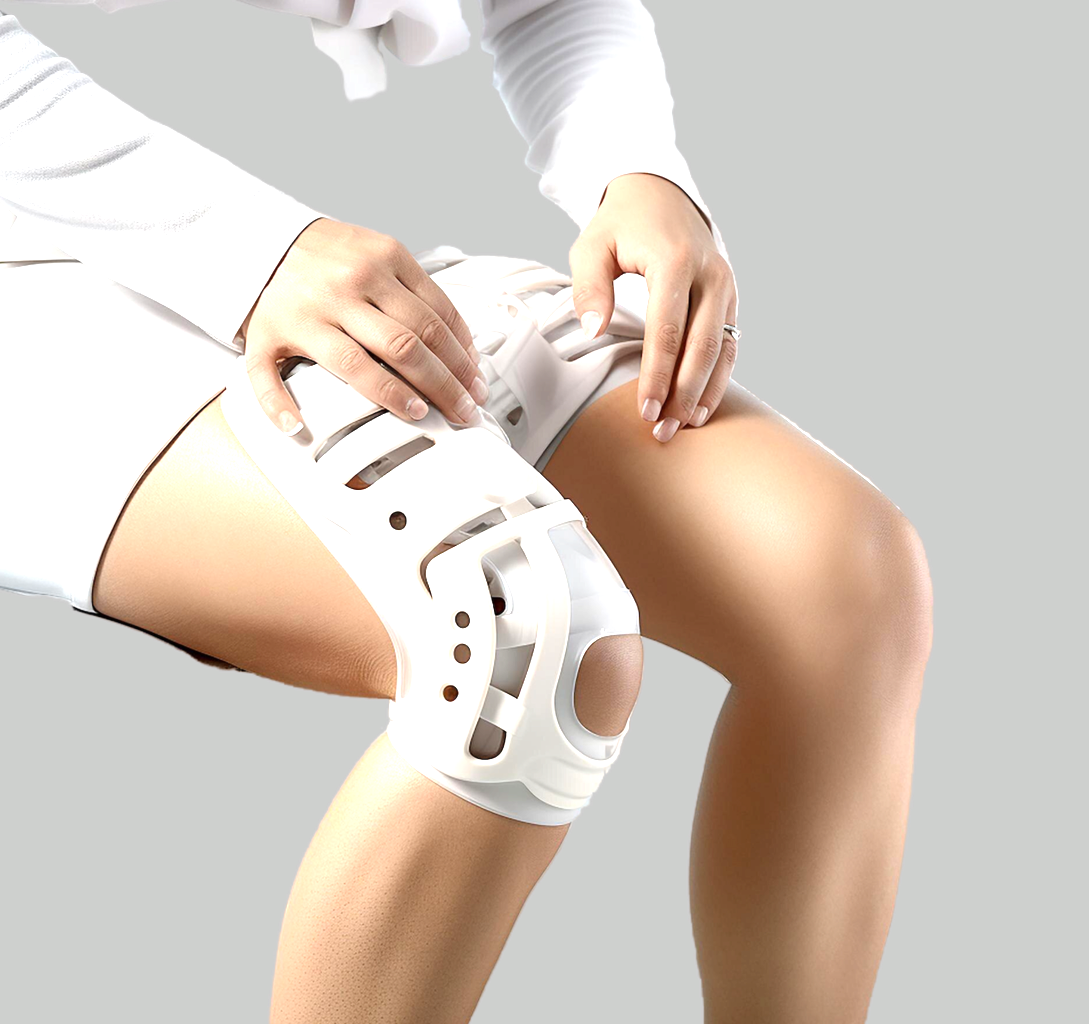
- Most often, it is a combination of rehabilitation with medical treatment (analgesics-painkillers, nutritional supplements), injections and drugs administered to the joints.
- Physiotherapy (physical therapy) and its procedures (shock wave therapy, magnetotherapy - magnetic field therapy, ultrasound, laser and others) are also effective and used.
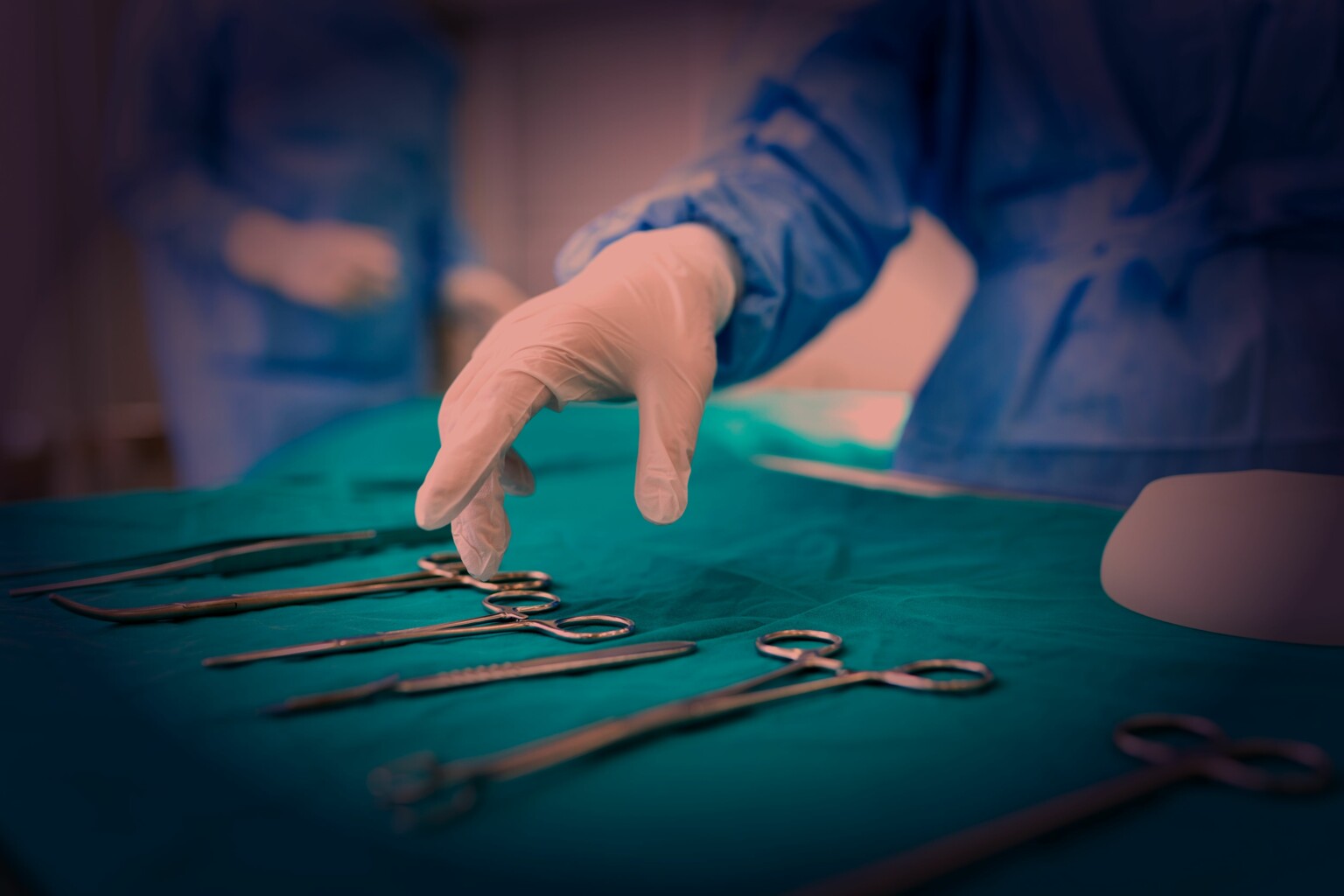
- According to the clinical findings, operations are indicated.
- A pre-operative examination by an internist and laboratory findings from blood sampling, an examination by an anesthesiologist (if general anesthesia is required) are necessary. Some medications must be discontinued before surgery (e.g. blood thinners, diabetes mellitus medications).